11.91° broken clouds
Features of Exceptional Teaching and Learning at Woodlane
The following features are used to judge the quality of teaching and learning at Woodlane. They have been designed collaboratively with staff and pupils and underpin the school’s approach to ongoing evaluation through regular lesson observations, learning walks and review of practice across the year.
Teaching
- Teaching is sequenced so that new knowledge and skills build on what has been taught before and pupils can work towards clearly defined learning objectives.
- Teaching is evidence based. Teaching allows pupils to transfer key knowledge to long-term memory, appropriate to their stage of development.
- Reasonable adjustments and adaptations are made for individual pupils, e.g. assistive technology, modified materials, seating arrangements, behaviour support etc. with long-term success in mind.
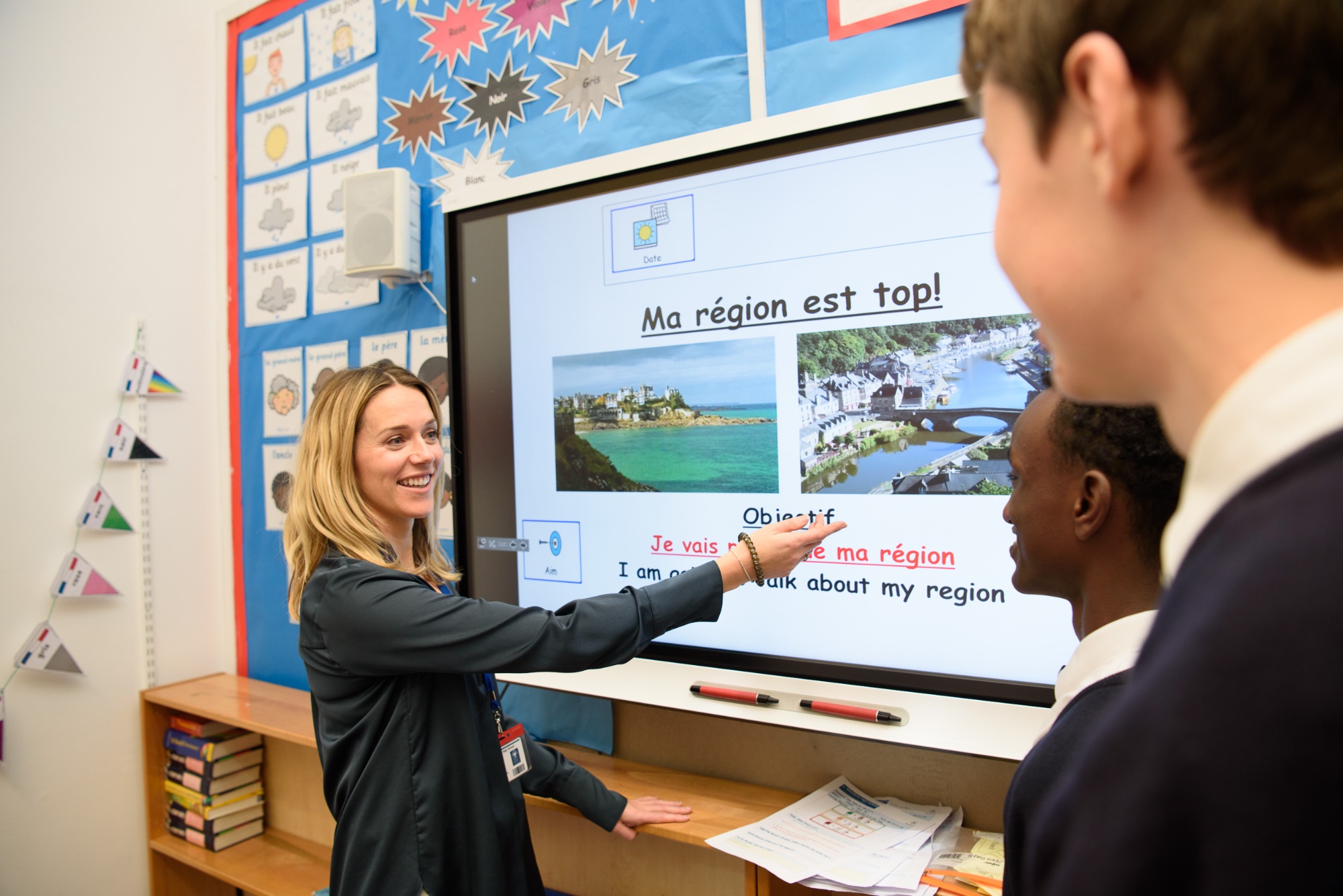
- Teaching is well planned and structured, including a starter, main teaching, task and plenary section, the specific lesson structure is visually recorded on the board.
- Teachers demonstrate expert knowledge and a shared understanding of the wider school curriculum.
- Teachers present information clearly, promote discussion (pupil talk), extended responses (verbally and in writing) and check pupils’ understanding systematically.
- Teachers identify misunderstandings and adapt teaching as necessary to correct these. Any gaps in pupils’ knowledge and skills are identified and tackled quickly.
- Teaching is multi-sensory (visual, auditory and kinaesthetic), there is a high proportion of visual and kinaesthetic activities.
- Teaching is differentiated and personalised to the ability and special educational needs of the individual pupil.
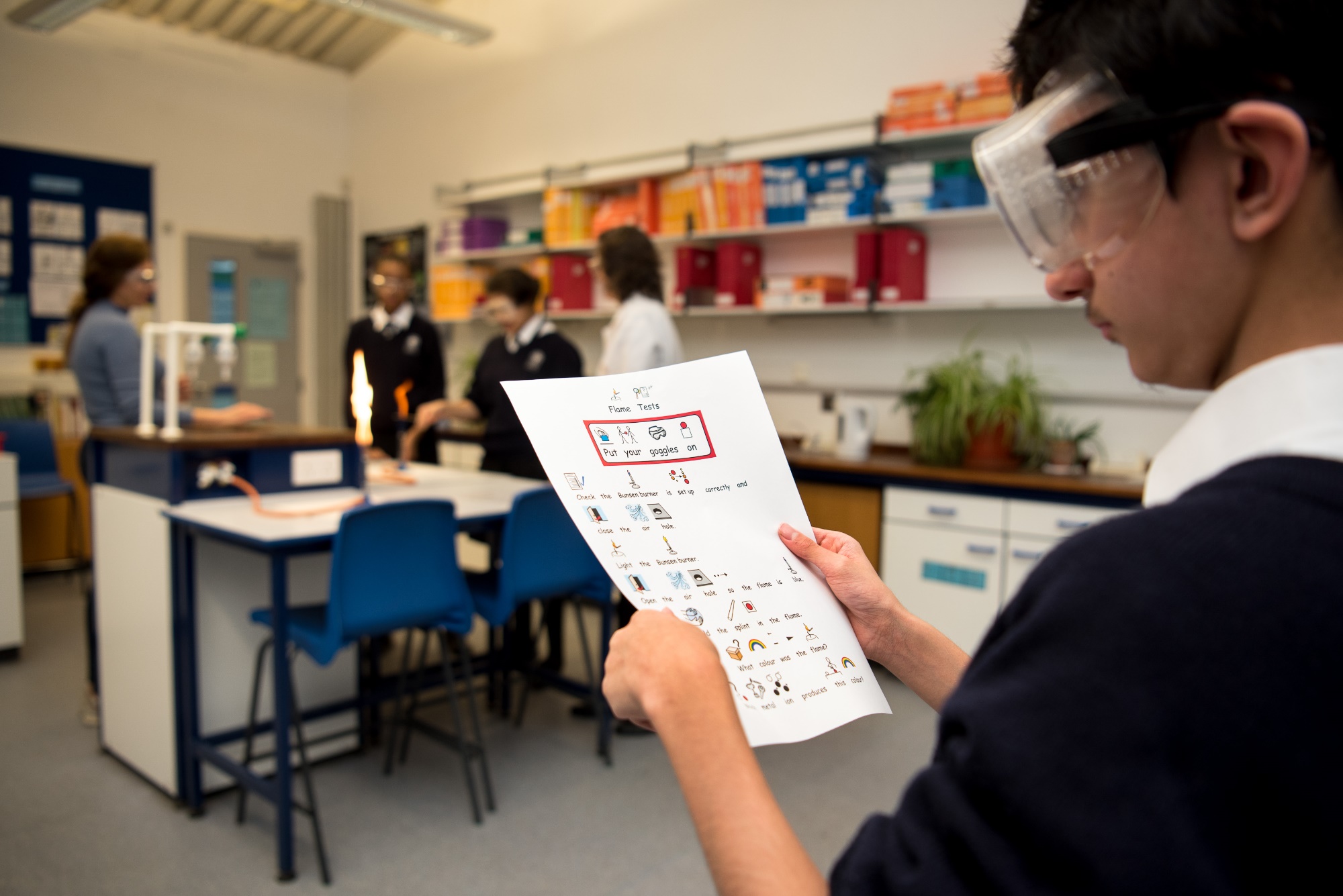
- Teaching is well resourced, using targeted scaffolded resources and materials which are Dyslexia Friendly, including differentiated/challenging homework.
- Teaching and support incorporate a variety of verbal and visual SALT strategies, e.g. Makaton, Communicate in Print, mind maps, declarative language, aided language boards, levelled questioning, adequate thinking time and an appropriate level of teacher talk etc.
- Staff provide consistent behaviour management, using reward and sanction.
- Teachers and TAs provide regular verbal and written feedback, as a result they: set SMART targets; recap prior learning; regularly and systematically check for understanding etc.
- Tasks and activities are stimulating, engaging and exciting, while being appropriately challenging.
- Staff are friendly, interactive and supportive and the classroom environment is welcoming. The wellbeing of pupils is considered at every stage.
- TAs are clearly directed by teachers to enable them to provide the appropriate support and challenge to pupils, while developing pupil independence over time.
Learning
- All pupils make substantial progress from their individual starting points in the lesson, developing their skills, knowledge and understanding.
- Substantial and sustained progress is evident in all pupil books/folders over time.
- All pupils display positive behaviour, attention and listening skills, appropriate to their stage of development.
- All pupils are enthusiastic to learn and demonstrate resilience to failure, appropriate to their stage of development.
- All pupils make a positive contribution to the lesson e.g. responding to questions, asking questions, completing the set tasks/activities etc. appropriate to their stage of development.